
Don't Let Metric And English Threads "Fight": Why Should They Never Be Mixed?
2026 Oct 10
In the factory workshop or maintenance site, the most frightening sound is that when you are tightening bolts, you hear that slight but fatal "click"-the thread is bitten to death.
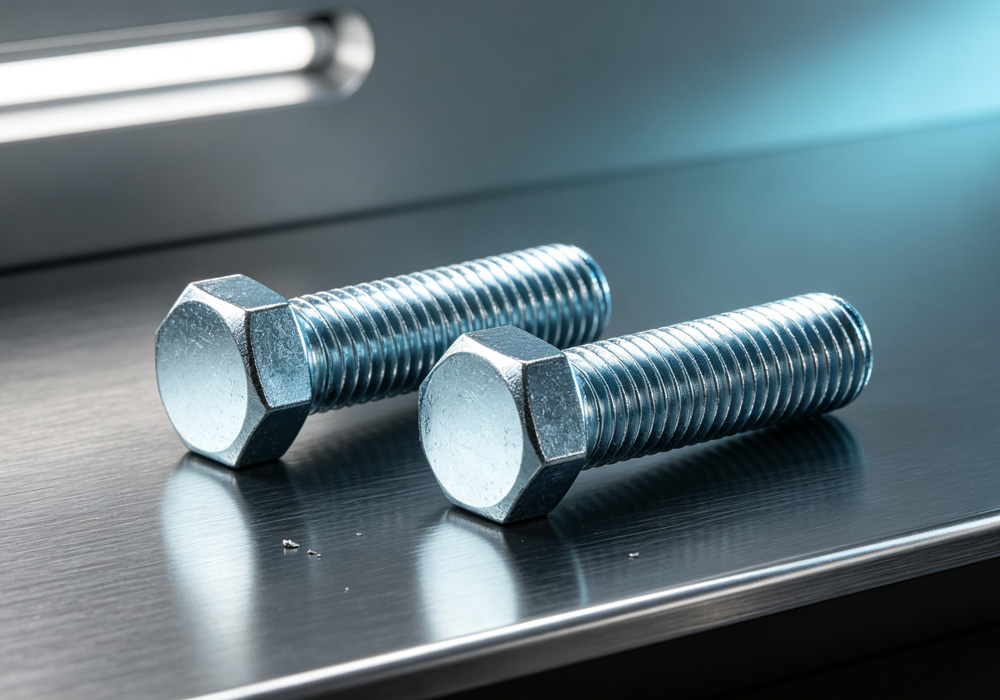
Many purchasing and technical personnel have learned this lesson: there are obviously bolts and nuts at hand, which look similar in size. If you screw them in for two turns, they will get stuck. If you force them again, the threads will be completely scrapped. This is the price of "Metric" and "Imperial/Unified".
As a factory that has been deeply cultivating British and American fasteners for a long time, we are too aware of how much trouble this "make-do" will bring. Today, from a practical point of view, let""s talk about why we should strictly distinguish between the two.
1. Core contradiction: the definition logic of Pitch is different.
Although metric thread (ISO standard) and American thread (UNC/UNF standard) have a tooth profile angle of 60 degrees, they describe the thread density in completely different ways:
Metric: defined by "tooth pitch", that is, the distance between two adjacent teeth, in millimeters (mm). For example, M10x1.5 represents a diameter of 10mm and a pitch of 1.5mm.
Unified: defined by "TPI (Threads Per Inch)", that is, how many teeth are contained in each inch. For example, 1/2-13 UNC, which means 1/2 inch in diameter and 13 teeth per inch.
The truth is that when you try to force metric threads into American nuts, even if the diameters look the same, the "bite points" between teeth are actually staggered. The first two turns may be forced in because of metal deformation, but the more they go in, the tighter they get, and the final result is slipping teeth and even damaging the expensive equipment itself.
2. Why not mix them? (Besides slippery teeth, there are hidden dangers.)
Many masters are lucky and feel that "just tighten it hard." Never do this for three reasons:
Insufficient preload: insufficient thread matching and inaccurate torque application. On vibrating equipment, mixed bolts are easy to loosen, causing safety accidents.
Metal fatigue: Forced fit will cause uneven stress on threads. Bolts with an original design life of 10 years may break due to shear fatigue within a few months after mixing.
Maintenance disaster: the most troublesome thing is not that the bolt is broken, but that the bolt has torn the threaded hole of the parent material (such as the shell of expensive equipment). At that time, the cost of repairing the base metal will be hundreds of times that of buying a correct bolt.
3. Suggestions for procurement and engineers
How to avoid buying the wrong one? We suggest that:
Never judge with the naked eye: even an old hand, it is difficult to see with the naked eye when facing the subtle differences of English threads. Please prepare a Thread Gauge)** and a caliper, which are the most basic tools.
Understand the drawings/nameplates: If the equipment is imported, be sure to read the specifications in the original manual. If you are not sure, don""t try to replace it with metric parts.
Looking for professional matching: the specifications of British and American fasteners are complicated (especially UNC/UNF thick and thin teeth). If there are specifications such as "1/4-20" and "5/16-18" in your purchase list, please contact us directly for confirmation.
Write at the end:
Although the bolt is small, it determines the life cycle of the equipment. If you have any questions about the selection, material (such as Grade 5 vs Grade 8) or customization of British and American fasteners, please feel free to contact our technical team. We not only sell bolts, but also hope to help you avoid the pit in the selection.
Many purchasing and technical personnel have learned this lesson: there are obviously bolts and nuts at hand, which look similar in size. If you screw them in for two turns, they will get stuck. If you force them again, the threads will be completely scrapped. This is the price of "Metric" and "Imperial/Unified".
As a factory that has been deeply cultivating British and American fasteners for a long time, we are too aware of how much trouble this "make-do" will bring. Today, from a practical point of view, let""s talk about why we should strictly distinguish between the two.
1. Core contradiction: the definition logic of Pitch is different.
Although metric thread (ISO standard) and American thread (UNC/UNF standard) have a tooth profile angle of 60 degrees, they describe the thread density in completely different ways:
Metric: defined by "tooth pitch", that is, the distance between two adjacent teeth, in millimeters (mm). For example, M10x1.5 represents a diameter of 10mm and a pitch of 1.5mm.
Unified: defined by "TPI (Threads Per Inch)", that is, how many teeth are contained in each inch. For example, 1/2-13 UNC, which means 1/2 inch in diameter and 13 teeth per inch.
The truth is that when you try to force metric threads into American nuts, even if the diameters look the same, the "bite points" between teeth are actually staggered. The first two turns may be forced in because of metal deformation, but the more they go in, the tighter they get, and the final result is slipping teeth and even damaging the expensive equipment itself.
2. Why not mix them? (Besides slippery teeth, there are hidden dangers.)
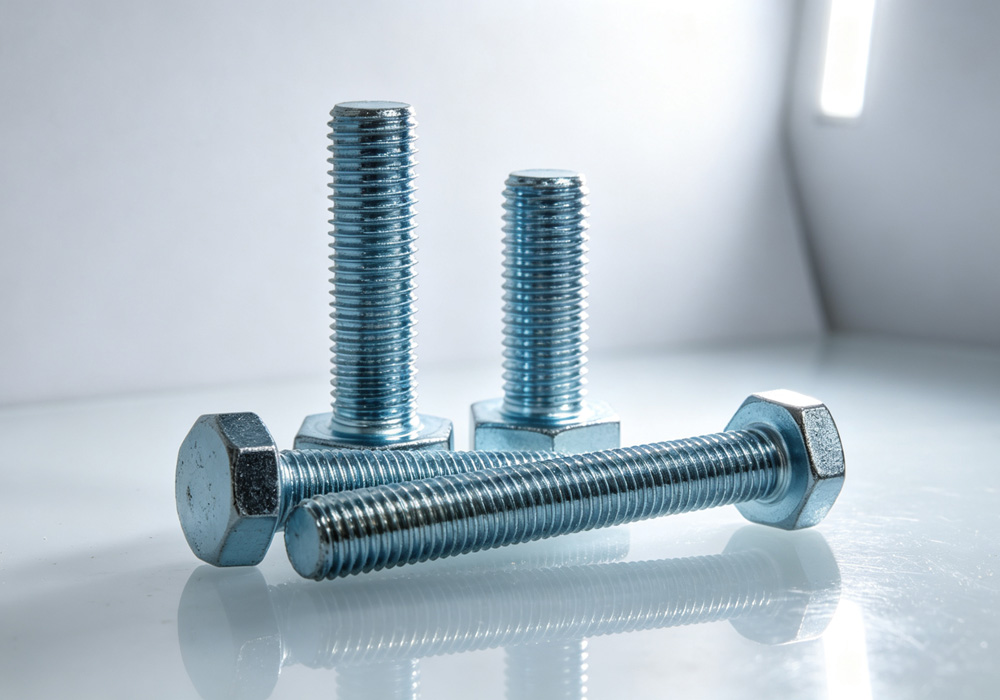
Many masters are lucky and feel that "just tighten it hard." Never do this for three reasons:
Insufficient preload: insufficient thread matching and inaccurate torque application. On vibrating equipment, mixed bolts are easy to loosen, causing safety accidents.
Metal fatigue: Forced fit will cause uneven stress on threads. Bolts with an original design life of 10 years may break due to shear fatigue within a few months after mixing.
Maintenance disaster: the most troublesome thing is not that the bolt is broken, but that the bolt has torn the threaded hole of the parent material (such as the shell of expensive equipment). At that time, the cost of repairing the base metal will be hundreds of times that of buying a correct bolt.
3. Suggestions for procurement and engineers
How to avoid buying the wrong one? We suggest that:
Never judge with the naked eye: even an old hand, it is difficult to see with the naked eye when facing the subtle differences of English threads. Please prepare a Thread Gauge)** and a caliper, which are the most basic tools.
Understand the drawings/nameplates: If the equipment is imported, be sure to read the specifications in the original manual. If you are not sure, don""t try to replace it with metric parts.
Looking for professional matching: the specifications of British and American fasteners are complicated (especially UNC/UNF thick and thin teeth). If there are specifications such as "1/4-20" and "5/16-18" in your purchase list, please contact us directly for confirmation.
Write at the end:
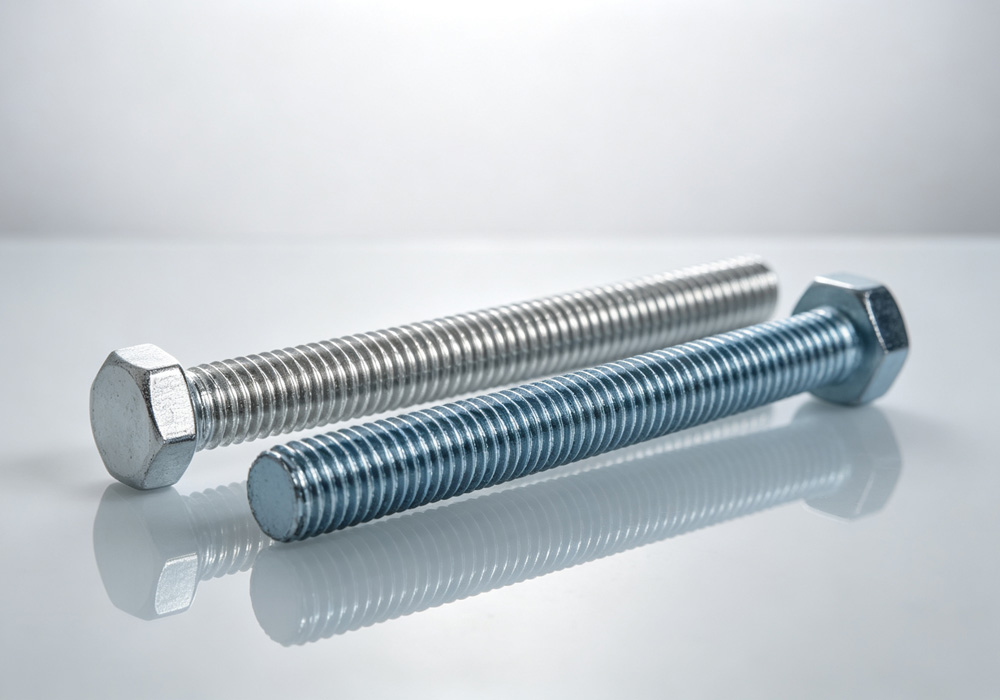
Although the bolt is small, it determines the life cycle of the equipment. If you have any questions about the selection, material (such as Grade 5 vs Grade 8) or customization of British and American fasteners, please feel free to contact our technical team. We not only sell bolts, but also hope to help you avoid the pit in the selection.